History Of Sakewa
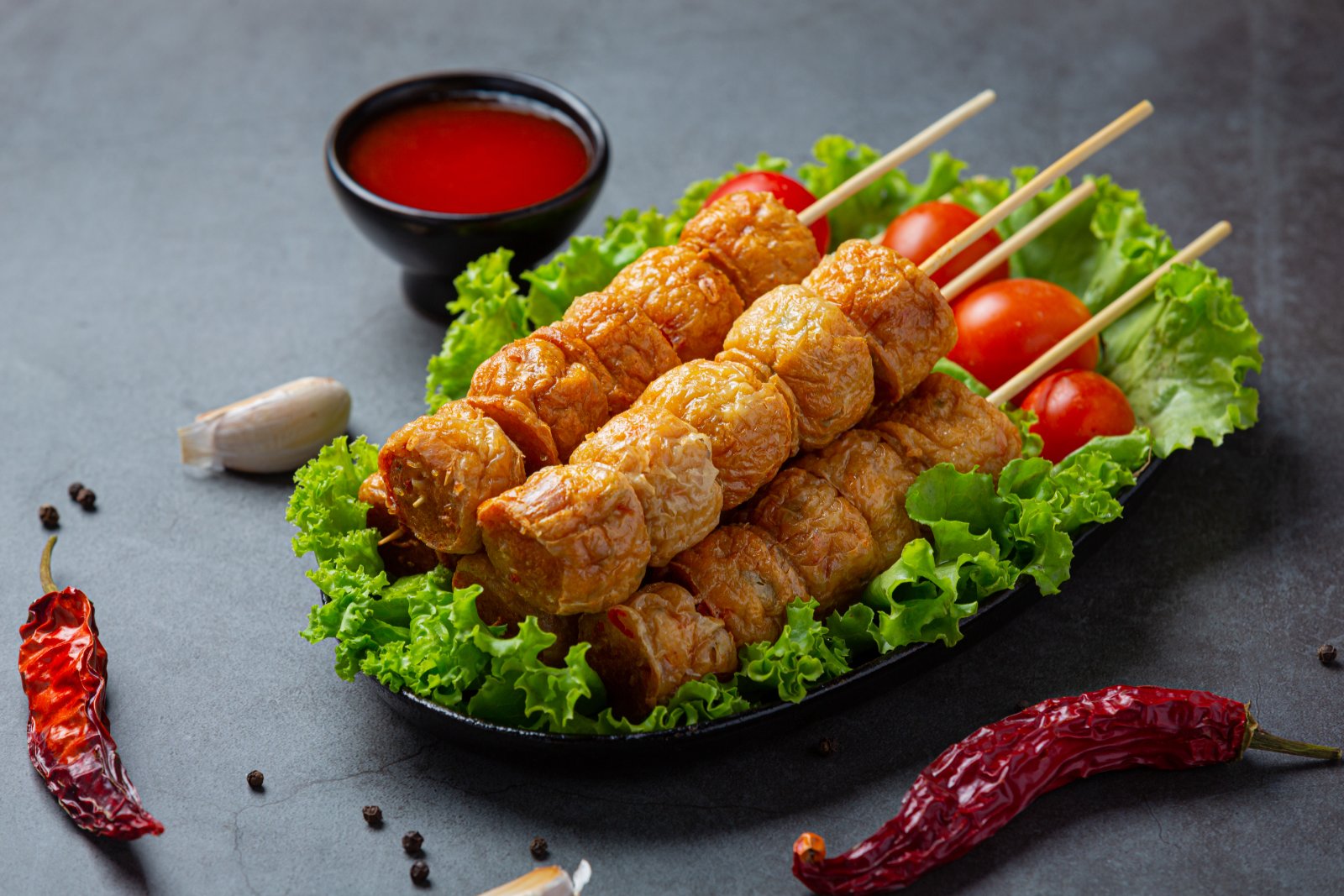
🔥 Fire-Kissed Flavor: The History and Heart of Nepali Sekuwa
If there is one dish that captures the rustic, bold, and smoky flavor profile of Nepal, it is Sekuwa. More than just barbecue, Sekuwa is an iconic street food, a celebratory feast centerpiece, and a direct reflection of the country's diverse, open-fire cooking traditions.
The name itself comes from the Nepali verb "sekne," which means to roast over a fire or direct heat.
🏞️ The Roots: Rural Simplicity and Eastern Origin
The history of Sekuwa is deeply tied to the rural communities of Nepal, where cooking over an open wood or charcoal fire was, and remains, the primary method of cooking.
Necessity as the Mother of Flavor: The technique originated from the simple, resourceful practice of quickly preparing meat by marinating it with hand-pounded spices and threading it onto skewers to roast directly over the flames. This method sealed in the juices while imparting a profound smokiness.
The Hub of Sekuwa: Sekuwa is traditionally credited with originating in the Eastern Terai and Hill regions of Nepal, particularly around the areas of Dharan and Sunsari District (Koshi Province). These areas became famed for their expert blend of spices and mastery of the open-fire technique. Even today, many popular Sekuwa establishments in Kathmandu use "Dharane" (from Dharan) in their name to signify authenticity.
🌶️ The Recipe for Success: A Bold Marinade
What distinguishes Sekuwa from other international kebabs or barbecue dishes is the unique blend of Nepali spices and the absence of a rich, sweet sauce. The flavor is all in the marinade, applied while the meat is still raw (kachha):
Core Ingredients: A powerful mix of mustard oil, ginger-garlic paste, fresh turmeric, cumin, coriander, chili powder, and fenugreek forms the base.
The Tenderizer: Often, yogurt or lemon juice is added to help tenderize the meat (which can be buffalo, goat/mutton, pork, or chicken) and provide a tangy depth.
Raw Marination: The meat is marinated for several hours (often overnight) while it is still raw, ensuring the flavors penetrate deep into the fibers before it ever touches the heat.
🪵 The Essential Element: Roasting Over Wood Fire
The most crucial element of Sekuwa is the cooking method. While modern kitchens may use electric grills, true, authentic Sekuwa is cooked over burning wood or charcoal.
Smoky Flavor Profile: The direct heat and the smoke from the embers or wood chips are what give Sekuwa its signature smoky char, a flavor that is impossible to replicate with gas or electric heat.
Skewering: The marinated meat is chunked onto long metal or bamboo skewers (jheer) and constantly turned over the heat until the outside is charred and crispy, and the inside remains tender and juicy.
🍽️ Sekuwa in Modern Nepali Culture
From its humble, regional beginnings, Sekuwa has become a pan-Nepal phenomenon:
Street Food King: It is a ubiquitous street food, sold at roadside stalls in every major city, and is the perfect evening snack, often paired with a glass of local raksi or beer.
Celebration Staple: It is an essential dish at festivals, picnics, weddings, and family gatherings. The act of grilling Sekuwa is often a communal effort, making it a social tradition.
Famous Eateries: Brands like "Bajeko Sekuwa" (Old Man's Sekuwa) have taken the simple street food to a commercial level, establishing it as a recognized and beloved brand across the country and the diaspora.
Today, Sekuwa remains a powerful and delicious link to Nepal's culinary history—a bite of tradition seasoned with fire and spice.